FOR THE CITY THAT GETS THINGS DONE
Commercial cleaning ManchesterA fresh start. Every working day.
From mill-floor offices to modern workspaces. Thoughtful cleaning for the places your business depends on.
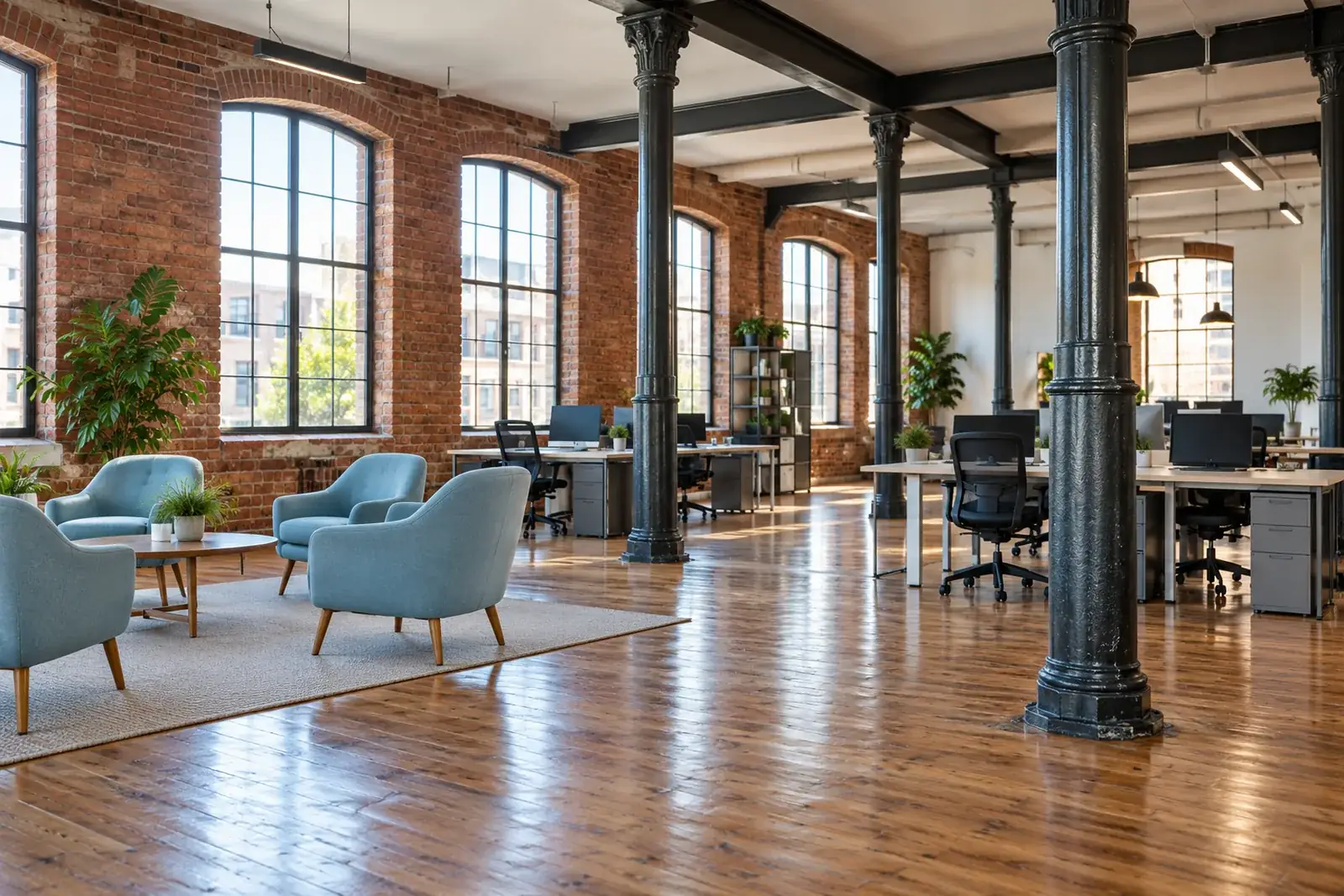
CLEANING WITH A WORKING PURPOSE
Less Build-Up.
More Room To Work.
The reception before the first visitor. The meeting room after a busy afternoon. The washroom that needs more than a quick once-over.
We help Manchester businesses define the cleaning they need, from recurring office care to a focused deep clean. Start with the rooms, the surfaces and the way people use them, then agree a scope that can be checked.
Commercial cleaning covers the organised care of business premises, including floors, washrooms, shared kitchens, accessible surfaces and waste collection points. The useful distinction is between maintaining a space regularly and restoring an area where soil has built up beyond the everyday routine.
A good specification makes that distinction visible. It records what happens at each visit, which tasks sit on a periodic schedule and what needs a separate assessment before it can be accepted.
THE RIGHT CARE FOR EACH SPACE
What Needs Cleaning?
One office or an operational building.
Start with the service your premises need.
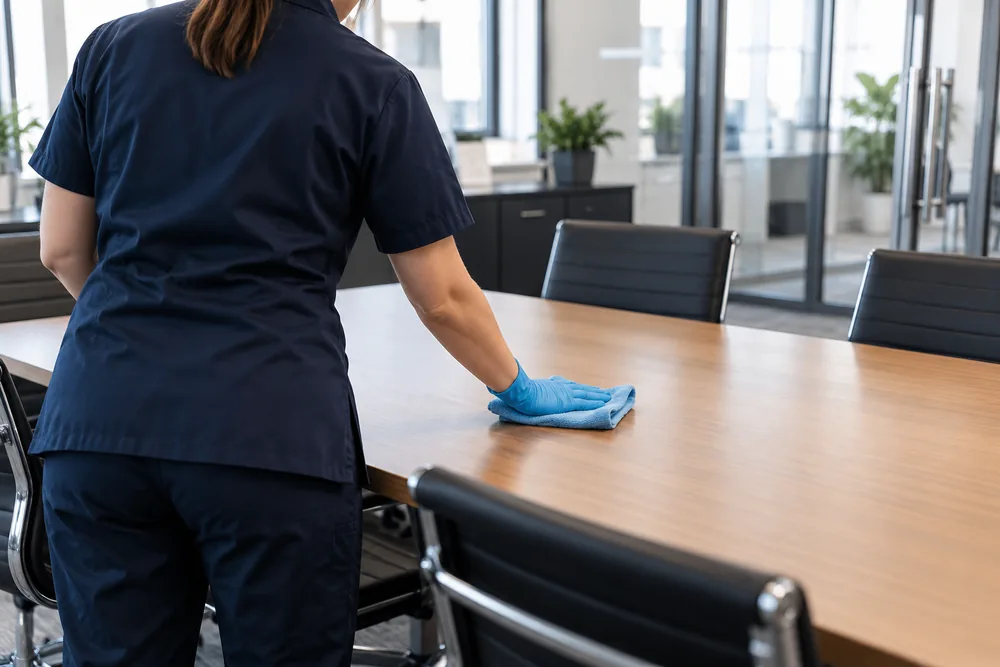
Office Cleaning
Desks, meeting rooms and shared spaces, ready for the next working day.
Explore The Service →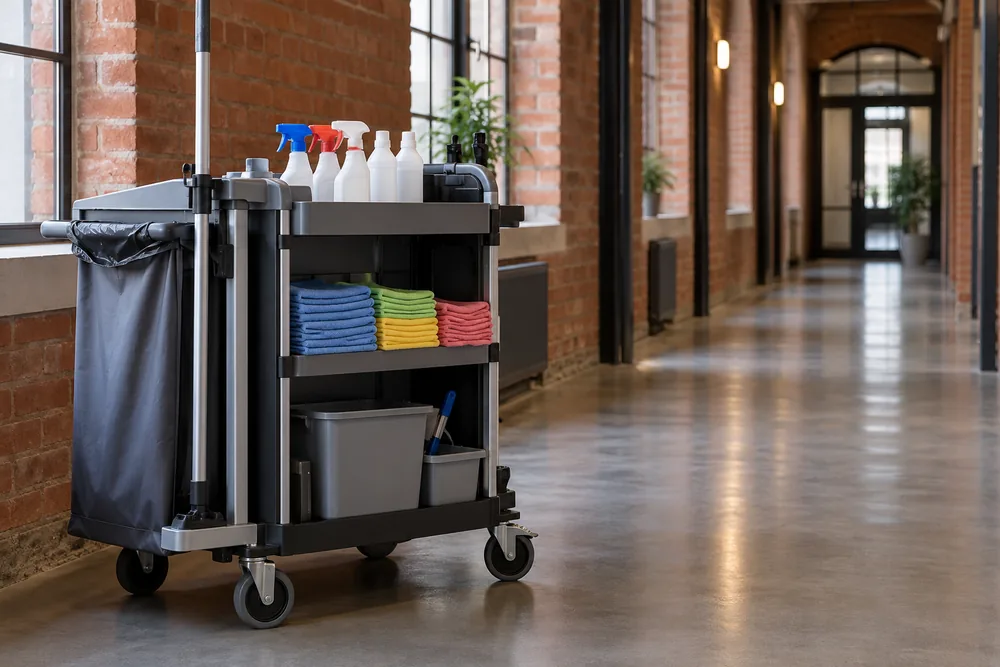
Contract Cleaning
A repeatable cleaning schedule with defined tasks and practical checks.
Explore The Service →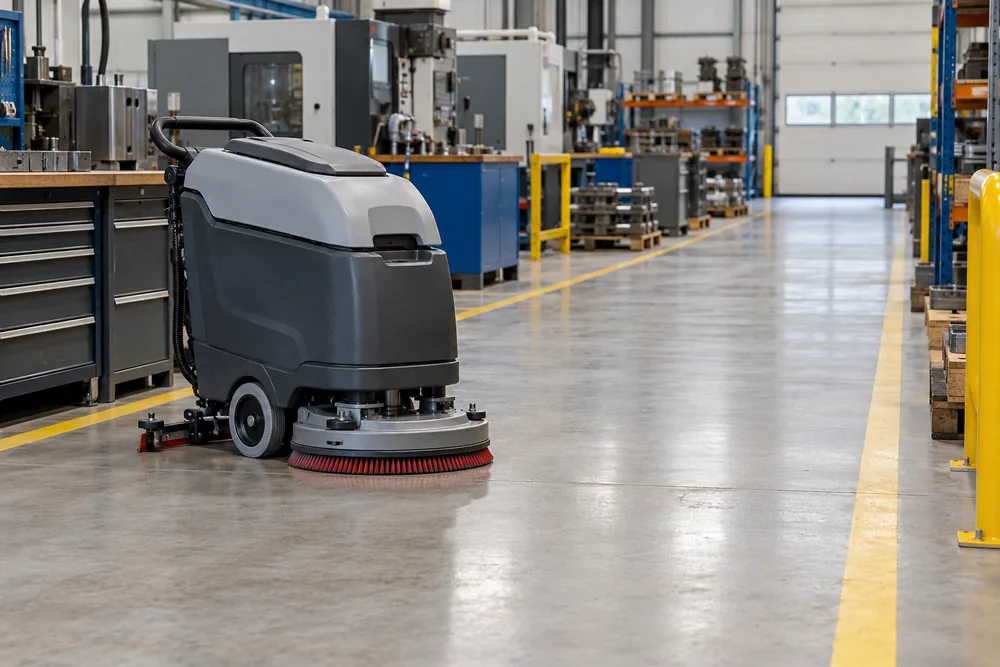
Industrial Cleaning
Controlled cleaning for workshops, warehouses and operational floors.
Explore The Service →
School Cleaning
Classrooms, shared facilities and holiday cleans with careful access control.
Explore The Service →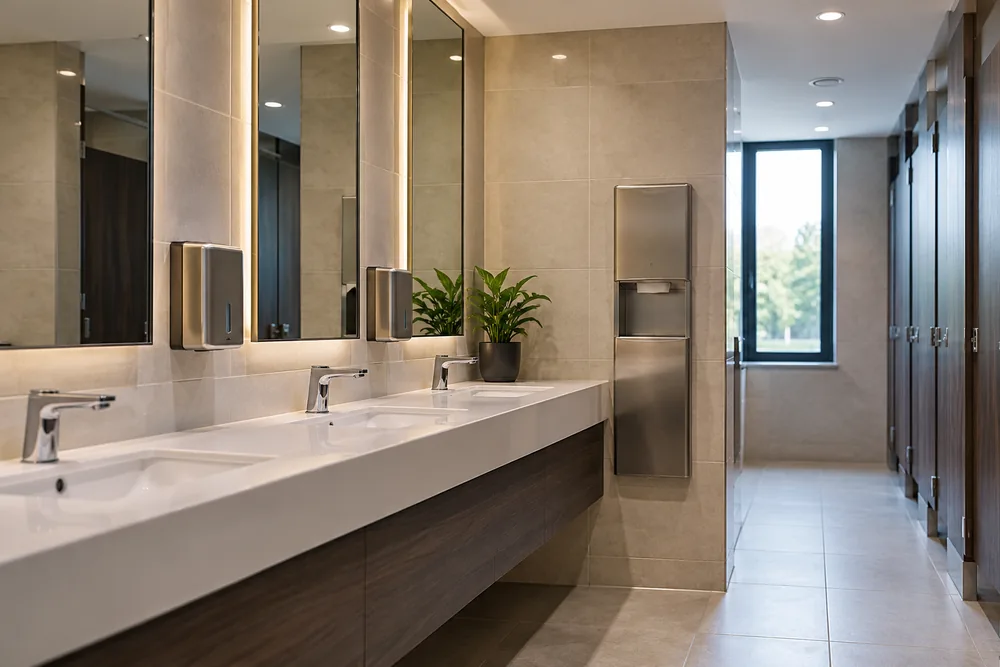
Washroom Services
Hygienic washrooms, replenishment checks and clearly agreed responsibilities.
Explore The Service →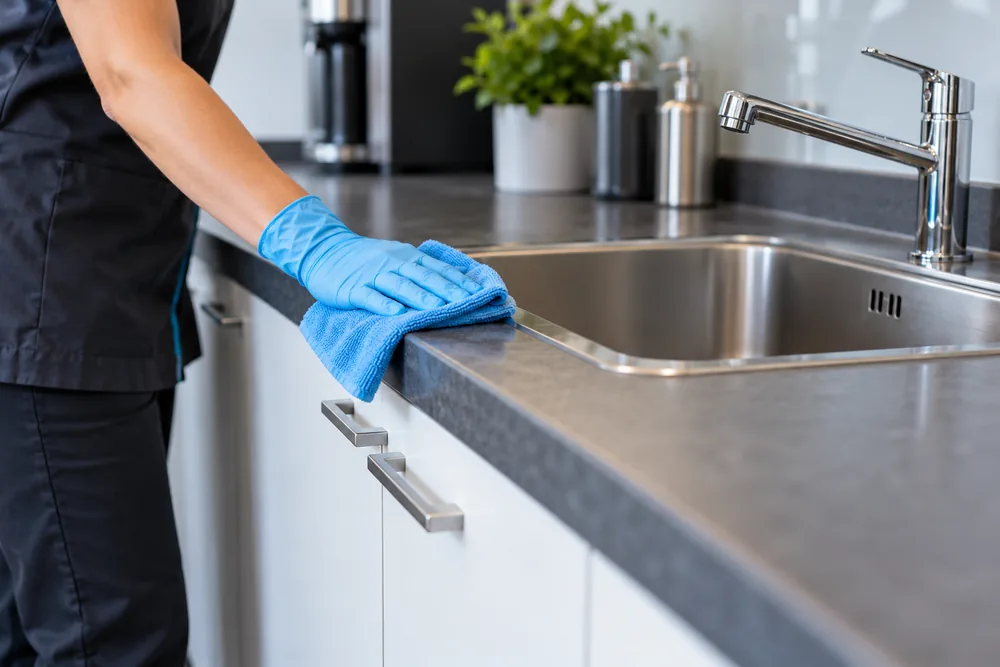
Commercial Deep Cleaning
A focused reset for accumulated soil, neglected edges and difficult details.
Explore The Service →Regular contract cleaning can bring several of these services together in one task schedule. A deep clean can address a particular backlog, while industrial cleaning needs a method that takes account of traffic, machinery and the material being removed.
A PRACTICAL STANDARD
Clean Is A Condition.
Not Just A Visit.
Who Needs Commercial Cleaning?
Facilities managers, employers, managing agents and contractors all need a way to maintain the areas they control. Offices, schools, warehouses, workshops and shared commercial buildings have different cleaning needs, but the specification should begin with the activity in each room rather than a generic building label.
A reception may need frequent attention to tracked-in soil. A warehouse can need floor cleaning that fits vehicle movements, while a school needs its routine coordinated with lessons, safeguarding and access to classrooms. Multi-occupancy premises also need a clear boundary between communal spaces and individual occupiers’ responsibilities.
The Legal Position In England
In Manchester, the Workplace (Health, Safety and Welfare) Regulations 1992 apply to many workplaces. Regulation 9 addresses cleanliness of workplaces and their furniture, furnishings and fittings. It also addresses the accumulation and suitable removal of waste.
These duties do not mean every business has to buy a commercial cleaning contract. The responsible organisation must arrange appropriate cleaning and welfare conditions, whether using competent internal staff or an external provider. A contract should support those arrangements rather than being presented as a certificate of legal compliance.
The HSE workplace welfare guidance explains the wider requirements. Your own risk assessment should identify extra controls for particular activities, materials or occupants, and it remains important to coordinate responsibilities where a landlord, tenant and contractor share a building.
Products, People And Safe Floors
The Control of Substances Hazardous to Health Regulations 2002 apply where work involves substances that can harm health. In cleaning, that can include the products being used and the contamination being removed. A useful assessment addresses exposure and controls, not just whether a safety data sheet is available.
The task should specify suitable products, handling instructions and the precautions needed for use. Cleaning a surface first and disinfecting it where required are distinct steps, and a stronger chemical is not automatically a better answer for a delicate finish. See HSE advice on cleaning substances.
Cleaning itself can introduce slip and trip risks. A warning sign alone does not prevent someone walking over a wet floor, so the method may need barriers, staged cleaning or a temporary closure. HSE cleaning guidance explains why access controls and drying are part of the job.
FROM FIRST ENQUIRY TO A USEFUL ROUTINE
A Clear Thread From Start To Finish.
- 01
Tell Us About The Building
Share the postcode, business use and the spaces you want cleaned. Include your opening hours, access restrictions and whether you need recurring visits or a single clean. You do not need a finished specification before making an enquiry.
- 02
Define The Work
The condition, layout and practical access are considered before a scope is agreed. A site assessment may be needed for complex buildings, uncertain contamination or finishes that require a specific method. This is where exclusions and responsibilities should become clear.
- 03
Agree The Routine
Confirm the rooms, task frequencies and working windows. Record the supply of equipment and consumables, secure storage, key arrangements and how cleaning areas will be separated from occupants. Periodic tasks should have their own place in the schedule.
- 04
Check And Adjust
Use the specification to review the result. Report missed tasks and recurring issues against the relevant area, then adjust the plan when occupancy or building use changes. An agreed check is more useful than an undefined promise that everything will always look perfect.
UNDERSTAND THE QUOTE
Price Follows
The Work.
What Affects Cleaning Costs?
Two offices with a similar floor area can need very different amounts of cleaning. Washroom fixtures, desk density, kitchens, flooring and soil levels affect the time and method. A lightly used meeting suite should not be estimated in the same way as an entrance with constant footfall.
Access also changes the work. Restricted lift use, secure sign-in, short attendance windows and a lack of equipment storage can all influence the practical proposal. For industrial work, safe separation from traffic or a shutdown window may shape what can be achieved in one visit.
Ask whether the price covers products and equipment, which consumables are included and how periodic work is priced. A clear proposal should distinguish routine tasks from deep cleaning, specialist waste, high-level access or other services that are outside the agreed scope.
Compare The Same Specification
When comparing quotes, give each provider the same rooms, condition and frequency. Ask which tasks are included on every visit and which are weekly, periodic or requested separately. A lower figure is difficult to assess if important work is simply missing from the list.
The proposal should also explain what happens when a room is inaccessible, when occupancy increases or when you need an extra task. Agree how changes are authorised before the work is done, rather than leaving the price and result open to interpretation.
Information That Makes A Quote More Useful
A simple floor plan, a description of surfaces and your current task schedule can help explain the premises. If there is a recurring issue, describe where it appears, how quickly it returns and what has already been tried. Photographs should avoid personal information and confidential material.
Tell us about fragile finishes, food handling areas, security rules and any known hazardous residues. An ordinary cleaning enquiry is not the right place to share alarm codes or door credentials. Those arrangements belong in a secure operational discussion once the work and responsible parties are agreed.
MANCHESTER, IN THE DETAILS
From Cotton Mills
To Meeting Rooms.
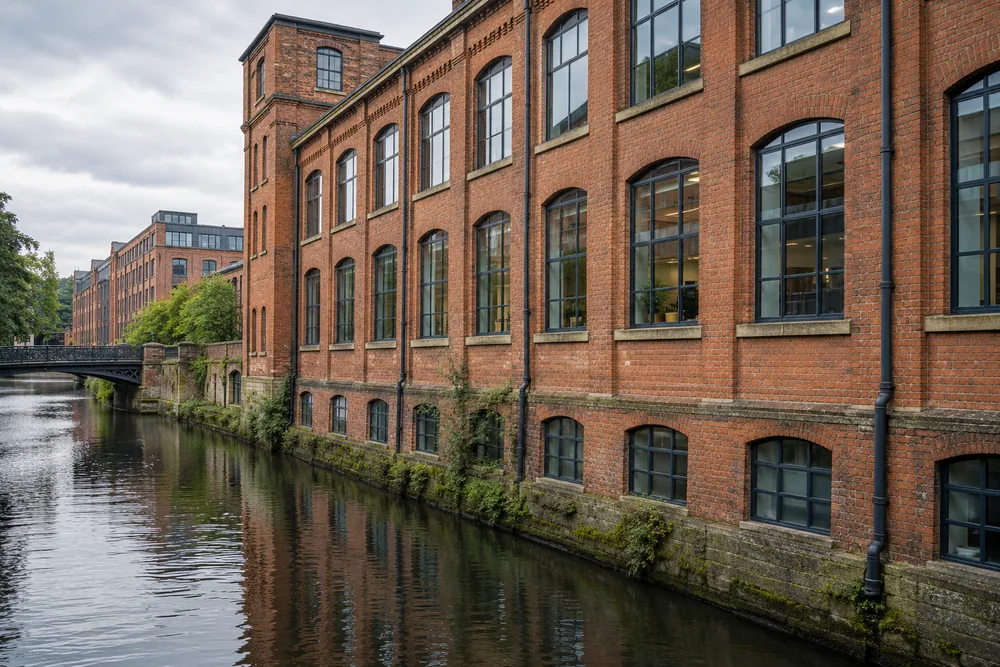
Ancoats’ mill buildings and the canals of Castlefield are part of the city’s fabric. Spinningfields brings another setting, with professional services and modern commercial spaces. A cleaning method should respond to the materials and access of the building rather than assume a standard office layout.
The Oxford Road corridor includes university campuses and cultural institutions, while Salford Quays brings waterfront commercial activity close to MediaCity. In older or converted premises, identify sensitive finishes and shared access routes before agreeing products, equipment or working times.
We welcome business enquiries from Manchester and nearby districts including Trafford Park, Stockport and Altrincham. Coverage and availability are confirmed for the postcode and task, rather than promised from the area name alone.
Explore Our Coverage →Local context: Ancoats, Spinningfields and Oxford Road.
What Does Commercial Cleaning Include?
Commercial cleaning includes the tasks agreed for a business premises, such as floor care, washrooms, shared kitchens, bins and accessible touchpoints. The specification should name rooms, frequencies and exclusions. Periodic work, consumables and specialist treatments need to be listed separately so the proposal reflects what your building actually requires.
How Often Should A Business Be Cleaned?
Business cleaning frequency depends on occupancy, the activities carried out and how quickly each area becomes soiled. Busy washrooms and food-related spaces may need attention more often than quiet offices. Start with a room-by-room assessment, then review the schedule against actual use and any recurring problems rather than keeping a timetable that no longer fits.
Is A Commercial Cleaning Contractor Legally Required?
A commercial cleaning contractor is not automatically required by law. Employers and those controlling workplaces have duties to maintain suitable cleanliness and welfare conditions, but can arrange competent cleaning internally or through a contractor. Particular settings can have further requirements, so the task list should follow the premises and its risks.
How Much Does Commercial Cleaning In Manchester Cost?
Commercial cleaning in Manchester is priced from the scope, frequency and conditions of the work. Floor area alone does not show how long washrooms, desks or difficult access will take. Share your opening times, surface types and existing issues so the proposal can explain routine labour, equipment, supplies and any separately priced periodic tasks.
Can Cleaning Be Done Before Or After Opening?
Cleaning before or after opening can be arranged where access, safety and availability allow it. Confirm alarm instructions, authorised rooms and the contact for access problems before the start. For daytime cleaning, agree how staff and visitors will be separated from wet floors, cables and equipment while the area is being cleaned.
Do You Supply Cleaning Products And Equipment?
Cleaning products and equipment should be identified in the proposal rather than assumed. The method needs suitable products for the surfaces and contamination, with safe storage and use instructions. Consumables such as hand towels and soap are a separate discussion, along with access to water, power and a secure space for equipment.
Can I Request A One-Off Clean?
A one-off commercial clean is suitable for a defined task, handover or backlog rather than an ongoing attendance schedule. Explain the current condition, required finish and access window. Photographs can help describe the issue, but difficult contamination, delicate finishes or industrial hazards may still need an assessment before the work can be agreed.
What Information Should I Include In An Enquiry?
A cleaning enquiry should include the business postcode, premises type, service needed and preferred working hours. Describe the rooms, floor finishes and any access restrictions or recurring problems. Avoid sending access codes, confidential documents or sensitive personal information through the form, and explain whether you need a recurring schedule or a single visit.
YOUR NEXT WORKING DAY STARTS HERE
Let’s Give Your
Premises A Fresh Start.
Tell us what needs attention and when the building is available. Start with a few practical details so the next conversation can focus on the work.
With your agreement, your enquiry may be passed to a suitable local firm to discuss the scope and quote. Sending an enquiry does not create a booking or a cleaning contract.